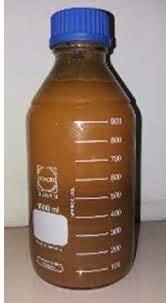
Waste materials are any materials that are no longer needed or useful and are discarded or thrown away. These materials can include a wide range of items, such as household garbage, industrial waste, construction debris, hazardous waste, electronic waste, and more. The classification of waste materials is based on several factors, including their physical, chemical, and biological properties. This classification is important because it helps to determine how waste materials should be handled, transported, and disposed of to minimize their impact on the environment and public health.
Effective management of waste materials involves several steps, including source reduction, reuse, recycling, and safe disposal. Source reduction involves reducing the amount of waste generated at the source, while reuse involves finding new uses for materials that would otherwise be discarded. Recycling involves converting waste materials into new products, while safe disposal involves the final disposal of waste materials in a manner that minimizes their impact on the environment and public health.
Effective management of waste materials is critical to protect the environment and public health, conserve natural resources, and reduce the amount of waste that ends up in landfills and other disposal facilities. Many countries have regulations and guidelines for the handling, transport, and disposal of waste materials, and it is important to follow these regulations to ensure proper management of waste materials.
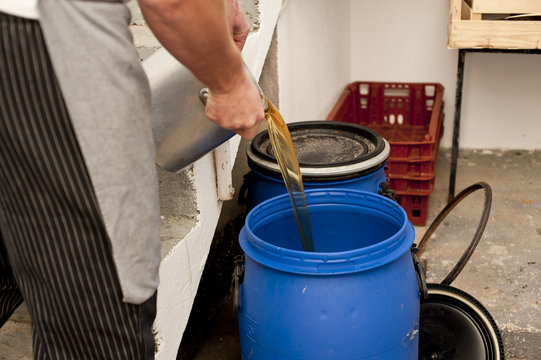
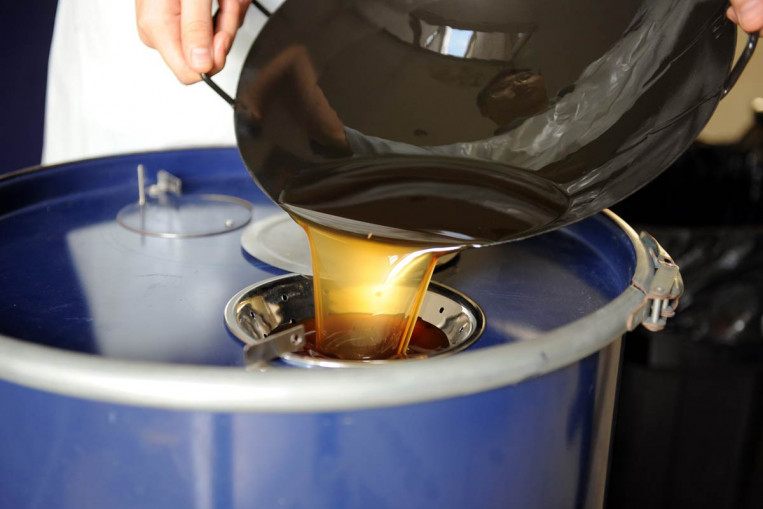
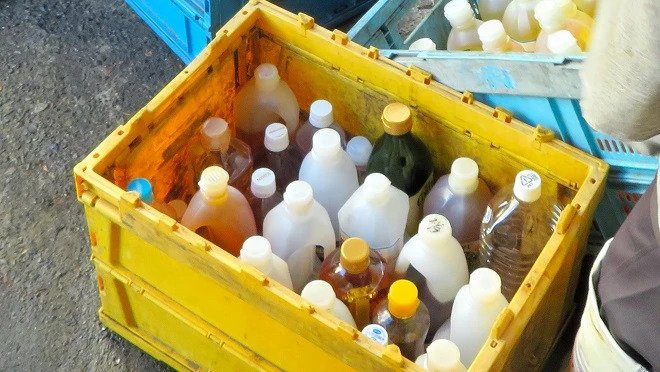
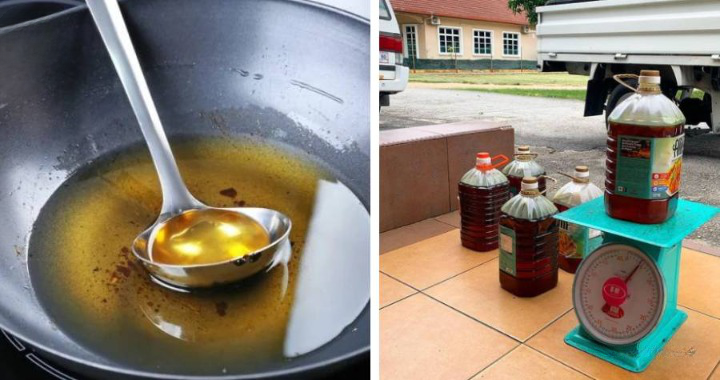
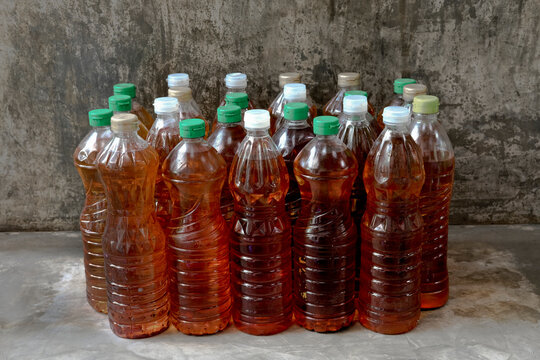
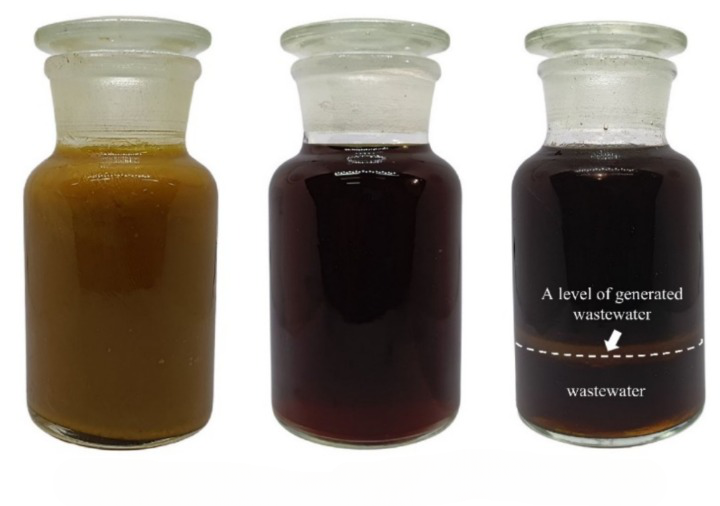
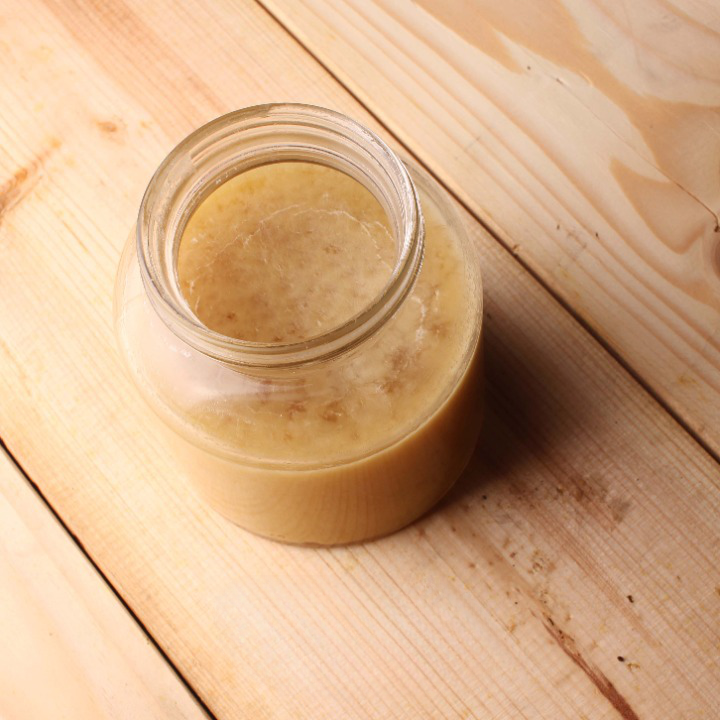
The used cooking oil is a type of waste material that is generated from households, restaurants, and other food service establishments. It is often referred to as "waste cooking oil" or "waste vegetable oil". Used cooking oil can pose a risk to the environment if not properly disposed of, as it can contaminate waterways and harm aquatic life. Therefore, it is important to collect and recycle used cooking oil to prevent it from entering the environment.
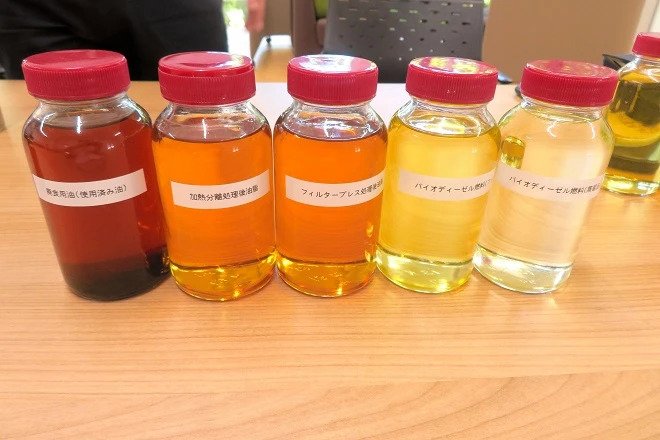
Recycling used cooking oil can have several benefits. It can be converted into biodiesel, a renewable fuel source that can be used to power vehicles and equipment. Biodiesel produced from used cooking oil has a lower carbon footprint compared to conventional diesel fuel and can help reduce greenhouse gas emissions. In addition, recycling used cooking oil can help reduce the amount of waste that ends up in landfills, which can help conserve valuable resources and reduce the environmental impact of waste disposal.
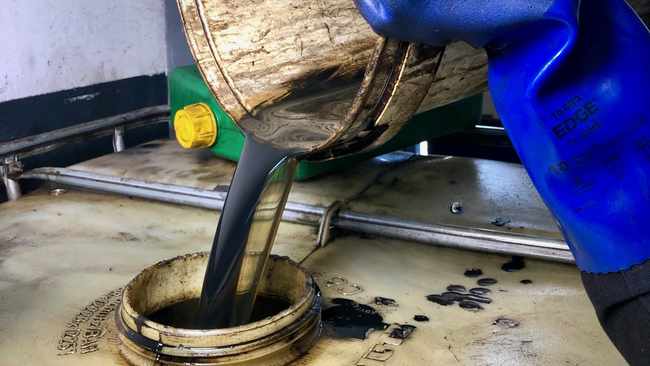
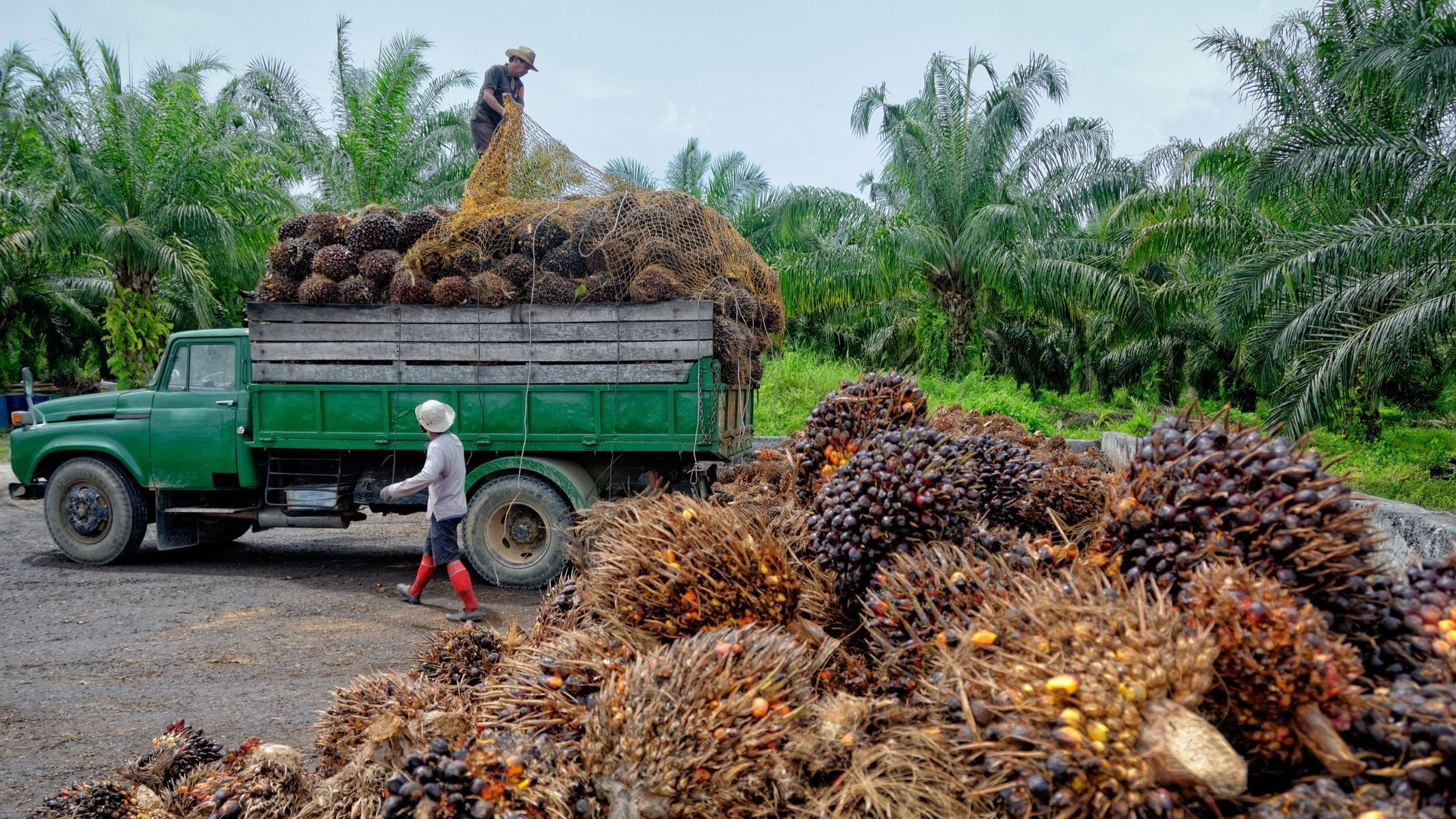
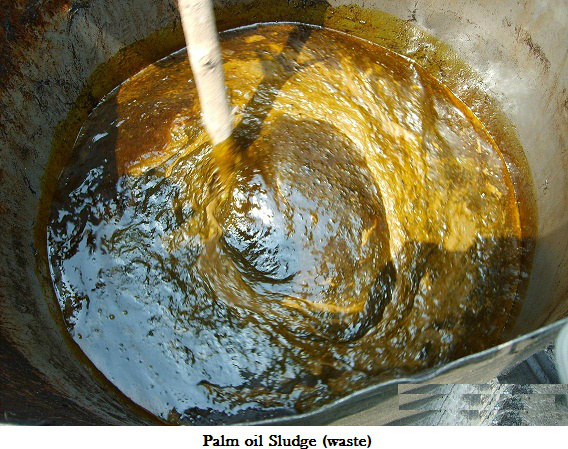
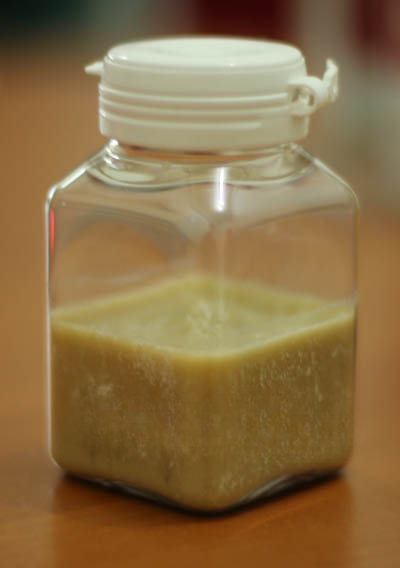
The sludge palm oil can be classified as a type of waste material. Palm oil sludge is a byproduct of the palm oil milling process and is generated when palm oil fruits are processed to extract the oil. The sludge contains a mixture of water, fiber, and other organic and inorganic materials.
The management of palm oil sludge is an important issue in the palm oil industry due to its potential environmental impact. If not managed properly, palm oil sludge can contribute to pollution of soil, water, and air. However, there are also opportunities to convert palm oil sludge into a useful resource through various treatment and processing methods. Several approaches have been developed for the treatment and utilization of palm oil sludge, including composting, anaerobic digestion, and bioremediation. These methods can help to reduce the amount of waste generated and potentially generate value-added products, such as fertilizer or biogas.
In conclusion, while sludge palm oil is a byproduct of the palm oil industry, it can be considered a waste material. However, there are various strategies available for the management and utilization of this waste material, which can help to reduce its environmental impact and potentially generate value-added products.