
Understanding base oils
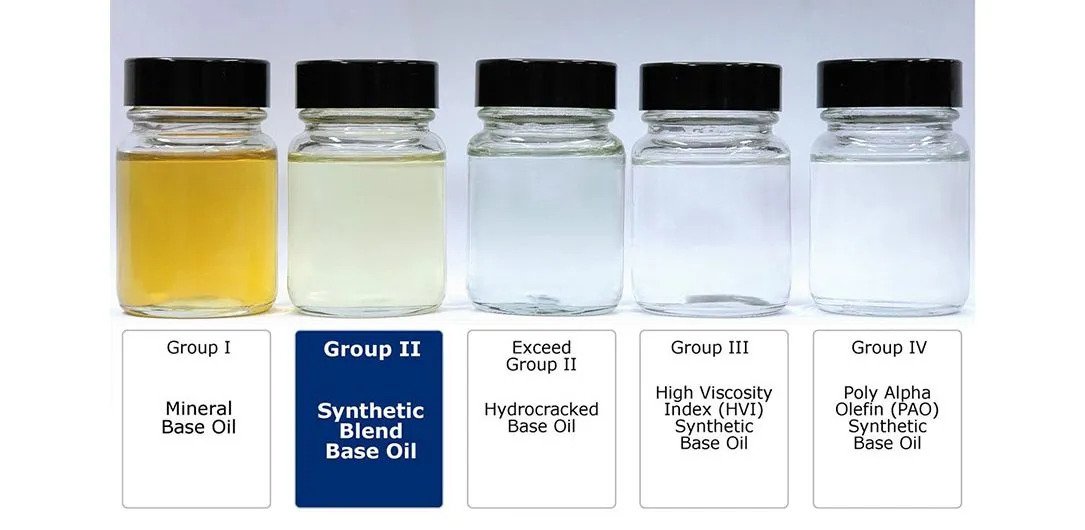
Base oil is a type of lubricant that is used as a base material for formulating a wide range of finished lubricants, such as engine oils, gear oils, and hydraulic fluids. Base oils are typically derived from crude oil through a refining process, but they can also be synthesized from other materials. The quality and performance of a finished lubricant are heavily influenced by the base oil used in its formulation. Therefore, selecting the right base oil is crucial to achieving optimal lubricant performance. Base oils are categorized based on their chemical composition and physical properties. The American Petroleum Institute (API) has established a classification system for base oils, which includes five groups:
Group I: These are the least refined base oils, and are typically used in applications where lubricant performance is not critical, such as in general-purpose machinery.
Group II: These base oils are more refined than Group I and have improved properties such as better oxidation resistance and higher viscosity index. They are commonly used in automotive and industrial applications.
Group III: These are even more highly refined than Group II and have better performance characteristics, such as improved thermal stability and reduced volatility. They are often used in high-performance applications, such as turbine oils and hydraulic fluids.
Group IV: These are synthetic base oils that are synthesized from non-petroleum sources, such as polyalphaolefins (PAOs). They offer superior performance characteristics such as high viscosity index, excellent thermal stability, and low volatility.
Group V: These are base oils that do not fit into any of the other categories and are typically used in specialty applications.
In summary, base oil is the foundation of finished lubricants, and selecting the right base oil is critical to achieving optimal lubricant performance. Base oils are classified based on their chemical composition and physical properties, with each group offering unique performance characteristics that are suitable for different types of applications.
How can I recycle my used oil?
Used oil, or 'sump oil' as it is sometimes called, should not be thrown away. Although it gets dirty, used oil can be cleaned of contaminants so it can be recycled again and again. There are many uses for recycled used oil. These include:
1. Collect the used oil: Start by collecting the used oil in a clean, leak-proof container, such as a plastic jug or metal can. Be sure to keep the oil separate from other materials, such as water or coolant.
2. Find a recycling center: Look for a local recycling center or hazardous waste collection facility that accepts used oil. You can check with your local government or search online for options in your area.
3. Prepare the oil for recycling: Before taking the oil to the recycling center, you may need to prepare it for recycling. This may include filtering the oil to remove any impurities or contaminants, such as dirt or metal particles. Some recycling centers may also require you to test the oil for contamination or acidity.
4. Transport the oil: Once the oil is ready for recycling, transport it to the recycling center or hazardous waste collection facility. Be sure to follow all safety guidelines, such as wearing gloves and protective clothing, and transporting the oil in a secure and stable container.
5. Dispose of the container: Once the oil has been recycled, dispose of the container in accordance with local regulations. Some recycling centers may accept the container for recycling, or you may need to dispose of it as hazardous waste.
Once you have taken your used oil to your local collection facility, used oil collectors either take the oil and undertake some pre-treatment and recycling of the used oil themselves or sell it to a specialized used oil recycler.
What happens to your recycled used oil?
Used oil, or 'sump oil' as it is sometimes called, should not be thrown away. Although it gets dirty, used oil can be cleaned of contaminants so it can be recycled again and again. There are many uses for recycled used oil. These include:
Once you have taken your used oil to your local collection facility, used oil collectors either take the oil and undertake some pre-treatment and recycling of the used oil themselves or sell it to a specialized used oil recycler.