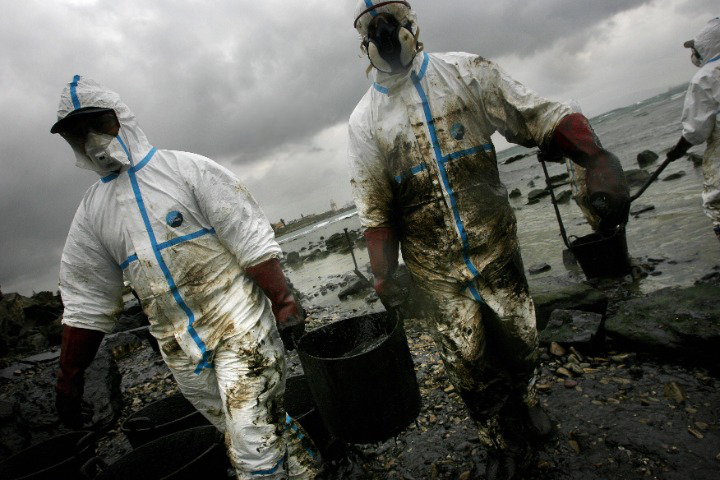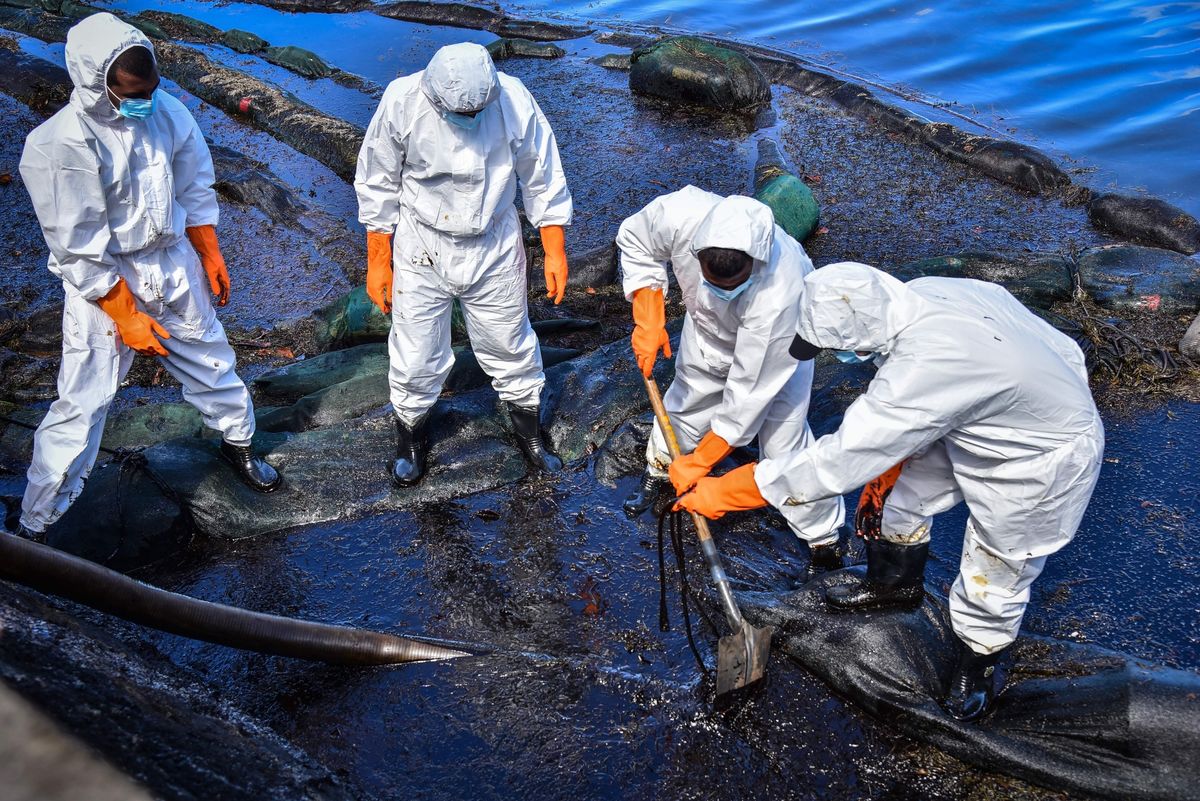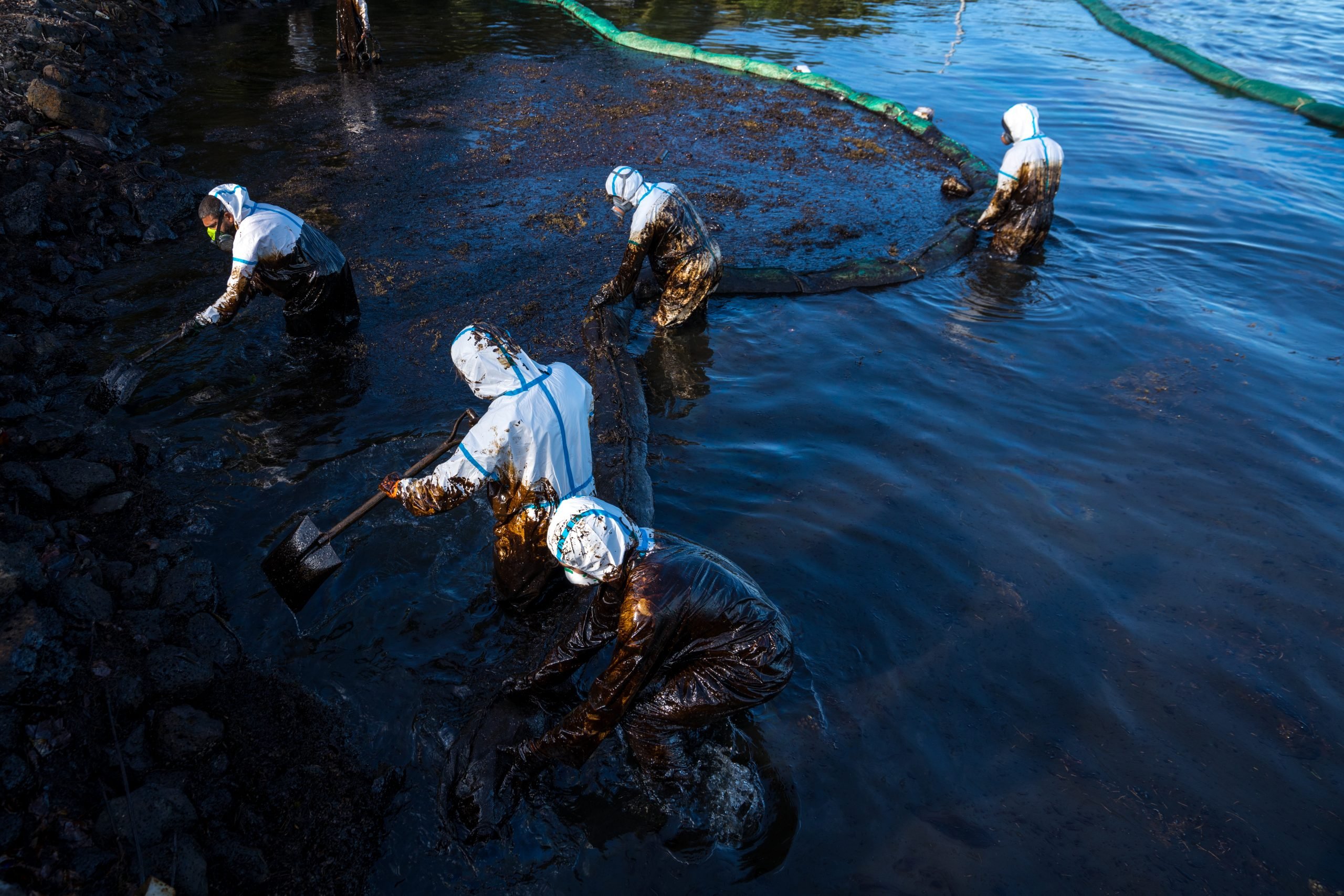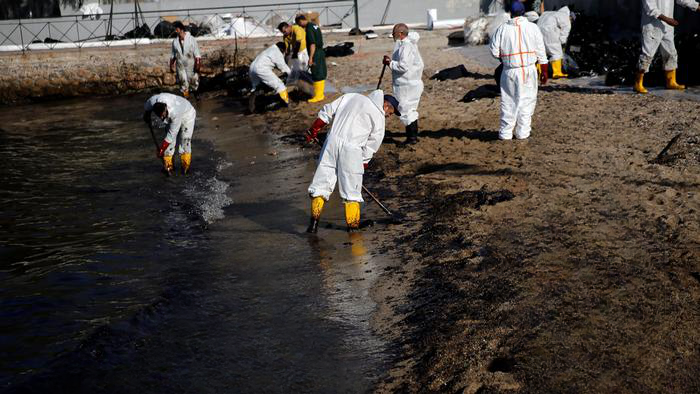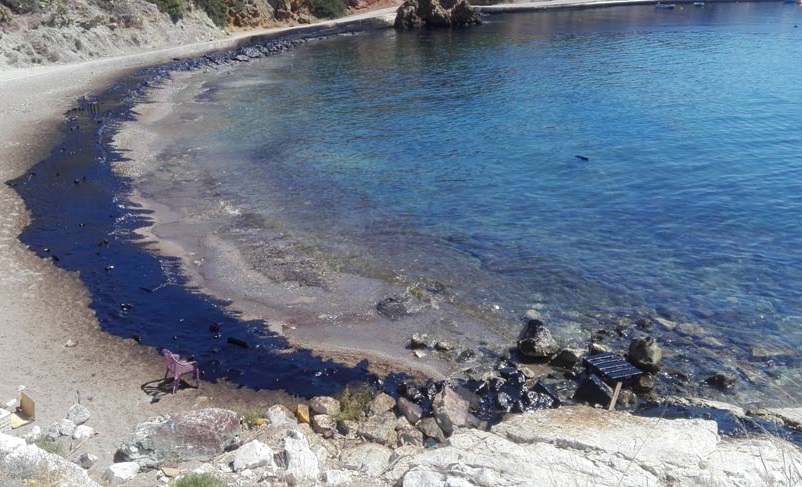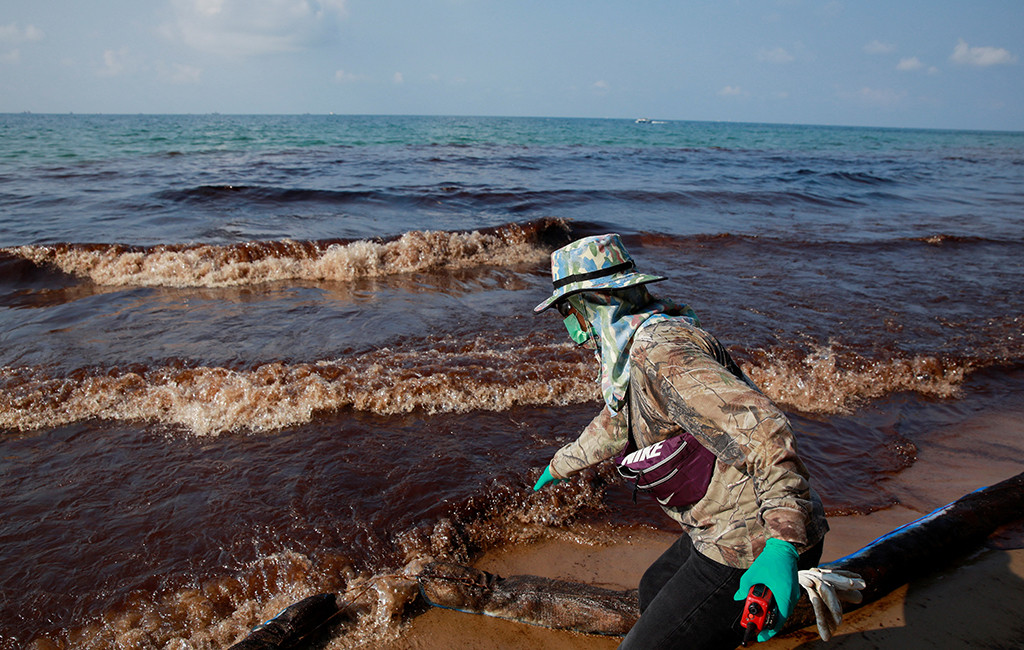
Oil spill response and cleaning refers to the activities involved in containing, recovering, and cleaning up oil spills that occur in marine or terrestrial environments. These spills can have significant environmental and economic impacts, and effective response and cleaning efforts are critical to mitigating these impacts.
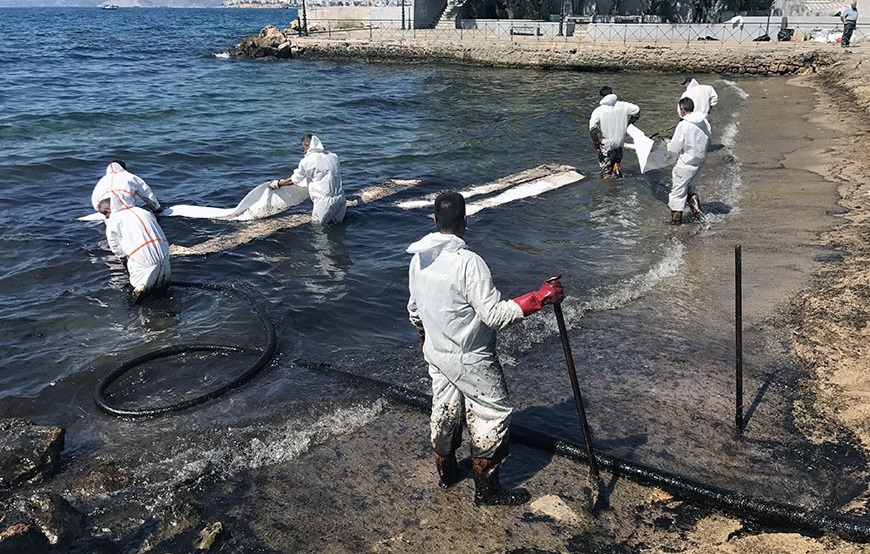
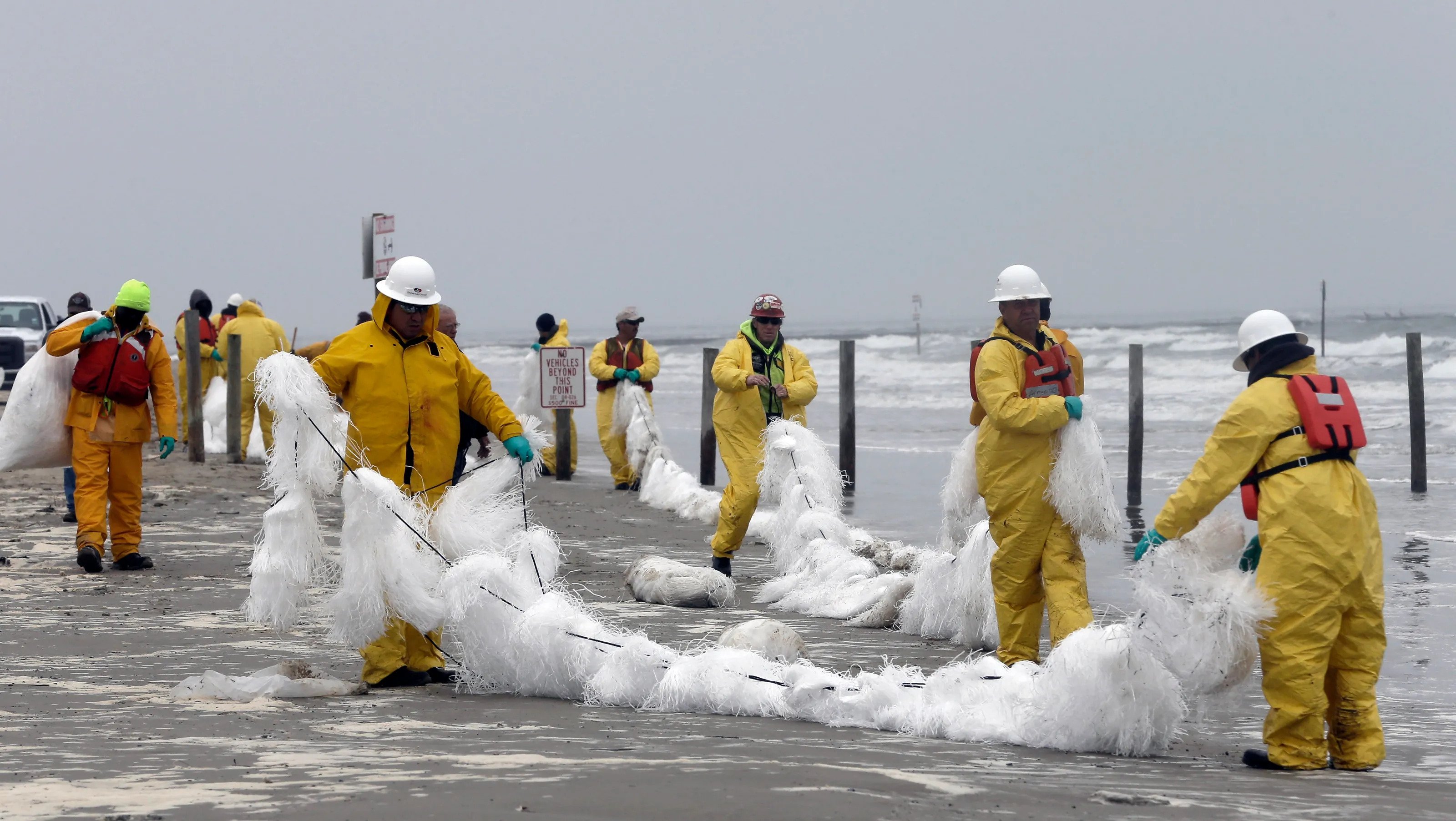
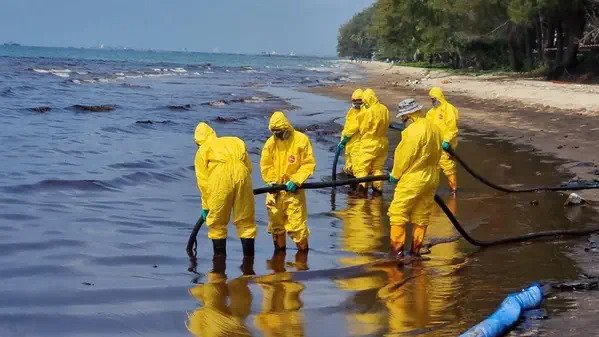
The first step in oil spill response is to contain the spill to prevent it from spreading further. This may involve using booms or other barriers to contain the oil on the surface of the water, or using absorbent materials to contain and soak up spilled oil on land. Once the spill is contained, the next step is to recover as much of the spilled oil as possible. This may involve using skimmers or vacuums to remove oil from the surface of the water, or using sorbent materials to soak up spilled oil on land. After the bulk of the spilled oil has been recovered, the final step is to clean up any remaining oil residue and contaminated materials. This may involve using biological or chemical agents to break down the remaining oil, or using physical methods to remove contaminated soil or other materials.
Oil spill response and cleaning is a highly specialized and complex activity that requires careful planning, coordination, and specialized equipment and personnel. Effective response and cleaning efforts can help to minimize the environmental and economic impacts of oil spills and restore affected areas to their previous state.