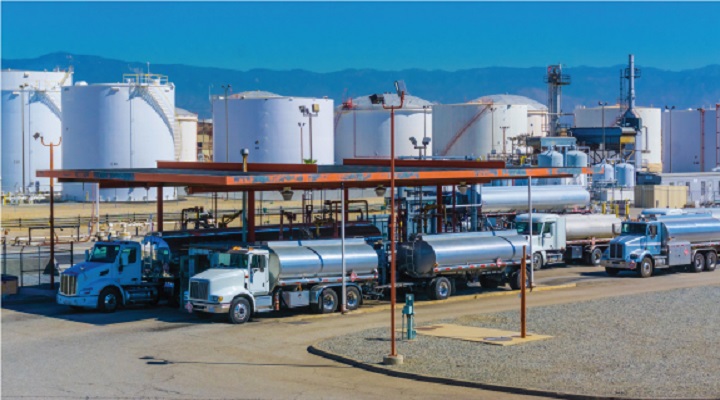
Fuel Delivery
About

Fuel delivery refers to the process of delivering fuel, such as gasoline, diesel, or propane, to customers who require it. This service is typically provided by companies that specialize in fuel distribution, such as oil companies, fuel distributors, or logistics providers. Fuel delivery can take different forms, depending on the customer's needs and the type of fuel being delivered. Some common types of fuel delivery include:

  • On-site fuel delivery: This involves delivering fuel directly to the customer's location, such as a construction site, a farm, or a remote location. On-site fuel delivery can help reduce downtime and improve efficiency by eliminating the need for customers to travel to a fueling station.
  • Scheduled deliveries: This involves setting up a regular schedule for fuel delivery, based on the customer's usage patterns and requirements. Scheduled deliveries can help ensure that customers have a reliable supply of fuel at all times, without the need for constant monitoring or reordering.
  • Emergency deliveries: This involves delivering fuel on short notice, typically in response to an unexpected or urgent need. Emergency deliveries can help customers avoid downtime or disruptions in their operations due to fuel shortages.
  • Fuel delivery can offer a range of benefits to customers, including convenience, cost savings, and improved efficiency. By eliminating the need for customers to travel to a fueling station or manage their own fuel supply, fuel delivery can help save time and resources. It can also help customers optimize their fuel usage and reduce waste, while also promoting environmental sustainability through efficient and responsible fuel distribution.
    Gallery
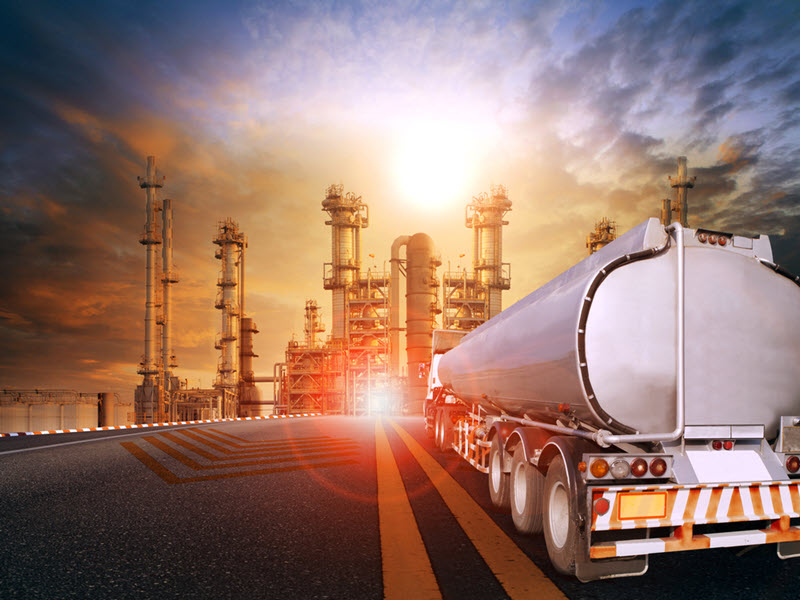
    Oil-Transportation-Logistics-01
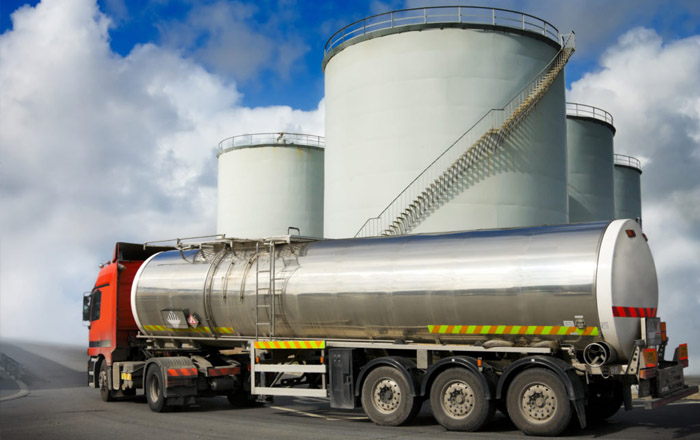
    truck on road
    Oil-Transportation-Logistics-03