
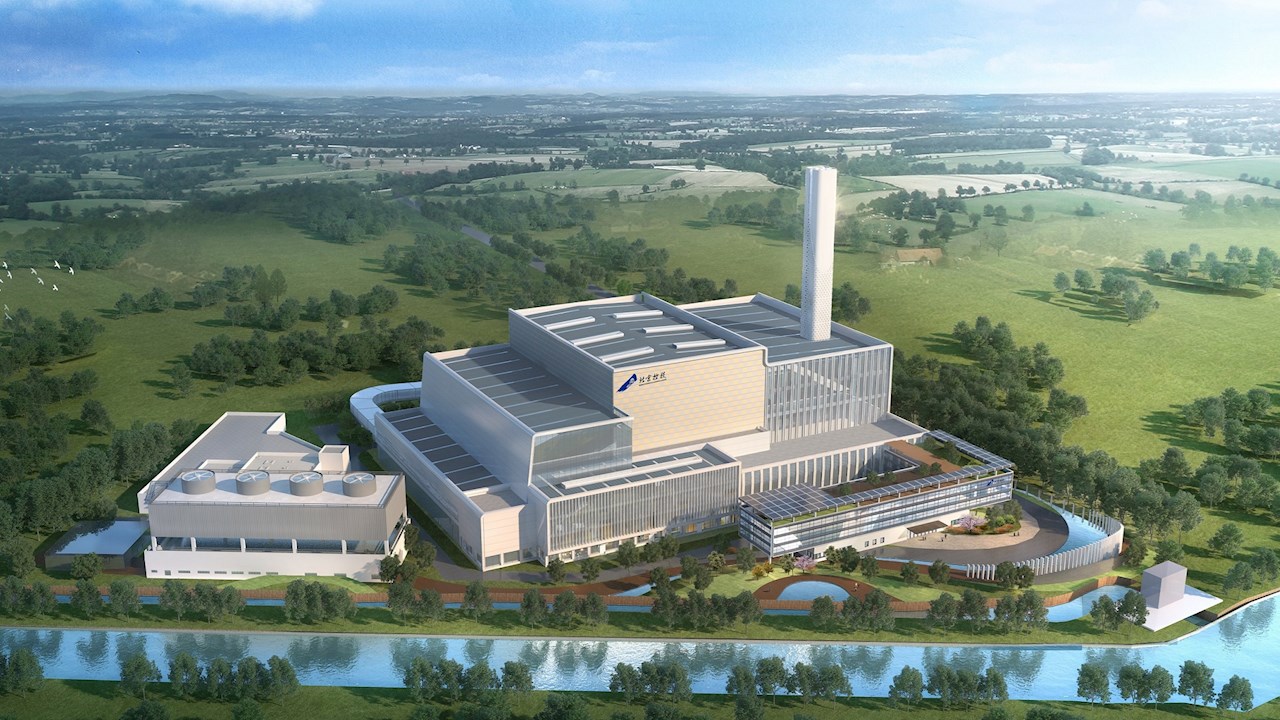

Waste-to-Energy Technologies
As the world continues to grapple with the challenges of waste management and the increasing demand for energy, waste-to-energy technologies have emerged as a sustainable solution that addresses both issues simultaneously. At Tiasa Hijau, we are at the forefront of implementing innovative waste-to-energy technologies to transform waste into a valuable energy resource.
Waste-to-energy technologies involve the conversion of various types of waste, such as municipal solid waste, industrial waste, and agricultural residues, into usable energy forms such as electricity, heat, or biofuels. These technologies not only help to reduce the volume of waste that goes into landfills but also harness the energy potential of the waste materials.
One of the waste-to-energy technologies that we employ is incineration. Through controlled combustion processes, we generate heat energy by burning waste, which is then converted into electricity through steam turbines. Incineration not only reduces the volume of waste but also produces a significant amount of energy that can be supplied to the grid or used for on-site power generation.
Another waste-to-energy technology that we utilize is anaerobic digestion. This process involves the breakdown of organic waste in the absence of oxygen, resulting in the production of biogas, a mixture of methane and carbon dioxide. The biogas can be captured and used as a renewable energy source for heat and electricity generation or as a biofuel for transportation. Additionally, the byproduct of anaerobic digestion, called digestate, can be used as a nutrient-rich fertilizer for agriculture.
At Tiasa Hijau, we prioritize the implementation of waste-to-energy technologies that adhere to strict environmental standards and emission controls. Our state-of-the-art facilities are equipped with advanced pollution control systems to minimize air pollutants and ensure compliance with regulatory requirements. We also employ rigorous waste sorting and treatment processes to maximize the energy recovery potential while minimizing the environmental impact.
By adopting waste-to-energy technologies, we can significantly reduce our dependence on fossil fuels, mitigate greenhouse gas emissions, and contribute to a more sustainable energy landscape. These technologies not only provide a reliable and renewable energy source but also contribute to the circular economy by extracting value from waste materials.
Through our commitment to waste-to-energy technologies, we aim to lead the way in sustainable waste management practices and promote a cleaner and greener future. Together, we can harness the power of waste and transform it into a valuable energy resource, while simultaneously addressing the challenges of waste management and energy sustainability.